
Hearing Aid: A Practical Guide to Better Hearing by AshClinic
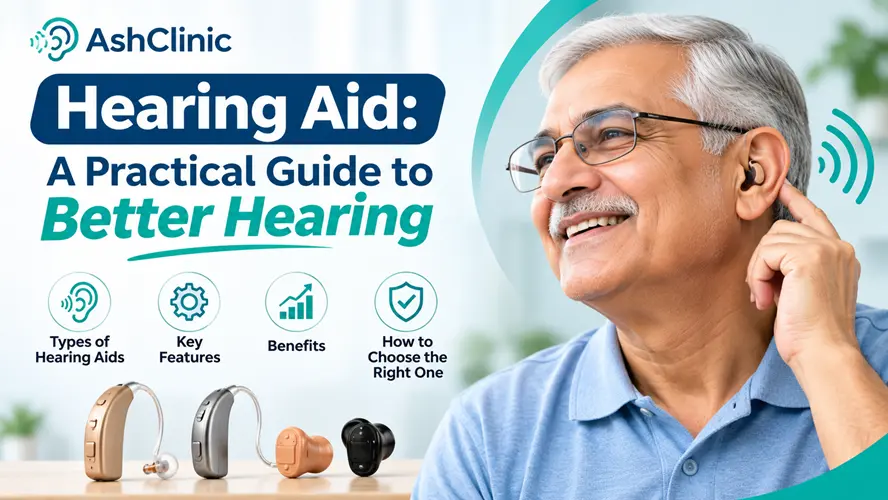
A hearing aid plays an important role in helping people stay connected with the world around them. Whether it is following conversations at home, participating in meetings, or enjoying social gatherings, hearing clearly impacts daily comfort and confidence. With advances in technology, modern Hearing Aid solutions are designed to be discreet, comfortable, and highly effective for different levels of hearing loss. Choosing the right device at the right time can significantly improve communication and overall quality of life. This article explains how hearing aids work, who should consider using them, and why professional guidance matters when selecting the right option. What Is a Hearing Aid? A hearing aid is a small electronic device that helps amplify sound for individuals with hearing loss. It captures sound from the environment, processes it digitally, and delivers clearer audio into the ear. Unlike older models, today’s hearing aids are smart devices that automatically adjust to different listening environments. Most hearing aids include: These components work together to improve speech clarity while reducing unwanted background noise. Common Reasons for Hearing Loss Hearing loss can affect people of all ages and often develops gradually. Some common causes include: Because hearing loss is usually progressive, many people delay seeking help. Early assessment and timely use of a hearing aid can make adaptation much easier. Signs That Indicate You May Need a Hearing Aid It is not always obvious when hearing loss begins. Some early signs include: If these signs persist, a professional hearing evaluation is strongly recommended. Types of Hearing Aids Different hearing aid styles are available to match individual needs and comfort preferences. Behind the Ear (BTE) These sit behind the ear and are suitable for a wide range of hearing loss levels. Receiver in Canal (RIC) Lightweight and discreet, these offer natural sound quality and are popular for daily use. In the Ear (ITE) Custom-fitted devices that sit inside the outer ear and are easy to handle. Completely in Canal (CIC) and Invisible in Canal (IIC) Small and nearly invisible, these fit deep inside the ear canal and are chosen mainly for cosmetic reasons. How Hearing Aids Improve Everyday Life Using a hearing aid can bring noticeable improvements to daily activities: Many modern hearing aids also support Bluetooth connectivity, allowing users to connect them with smartphones, televisions, and other devices. Why Professional Hearing Assessment Is Important A hearing aid should never be chosen without a proper hearing test. Professional assessment helps determine the exact type and degree of hearing loss. Based on this, the device can be selected and programmed accurately. Proper fitting ensures: Caring for Your Hearing Aid Maintaining a hearing aid properly helps extend its lifespan and performance: Consistent care ensures reliable performance for years. Common Myths About Hearing Aids Many people hesitate to use hearing aids due to common misconceptions: In reality, hearing aids are suitable for all age groups, are discreet, and are designed to support better hearing rather than replace it. Benefits of Early Hearing Aid Use Starting hearing aid use early helps the brain adapt to sound more effectively. Delaying treatment can make adjustment harder later on. Early use supports: Choosing the Right Hearing Aid Selecting the right hearing aid depends on: Guidance from a trusted hearing care provider ensures the best possible outcome. Clinics like ASH Clinic focus on personalized hearing care, helping individuals choose devices that suit their specific needs and daily routines. Conclusion Hearing loss does not have to limit communication or quality of life. With the right hearing aid and professional support, everyday interactions become easier and more enjoyable. Modern hearing aids are designed to fit seamlessly into daily life, offering comfort, clarity, and confidence. Taking timely action toward better hearing can positively impact both personal and professional life.